

When it comes time to seek extra care for yourself or a loved one, the options can feel overwhelming. Two of the most common choices are assisted living and nursing homes. Understanding the differences between them is essential for families in Dormont, Pennsylvania, where local lifestyle and proximity to Pittsburgh play key roles in elder care decisions. In this post, we break down the differences, local considerations, and factors to keep in mind when choosing the best option for your family.
What is Assisted Living?
Assisted living communities provide a balance of independence and support. These facilities are designed for seniors who are mostly independent but may need some help with daily activities like bathing, dressing, managing medications, or preparing meals.
- Residents live in private or semi-private apartments.
- Staff is available 24/7 to provide assistance as needed.
- Meals, housekeeping, and social activities are typically included.
- Medical care is available, but not as intensive as in nursing homes.
In Dormont, assisted living communities often reflect the town’s cozy, neighborhood feel. Many facilities encourage residents to stay involved in local activities, participate in community events held in Dormont Park, or visit nearby cafés and shops on West Liberty Avenue.
What is a Nursing Home?
Nursing homes, also known as skilled nursing facilities, provide higher levels of care for individuals who require significant medical or personal care. This care is often necessary for those recovering from surgery, managing chronic illnesses, or living with disabilities.
- Medical staff (nurses and doctors) are on-site around the clock.
- Services include medical treatments, physical therapy, and assistance with all daily needs.
- Residents may share rooms and follow stricter schedules due to medical requirements.
- Nursing homes focus more on healthcare than on lifestyle or social activities.
For Dormont residents, choosing a nursing home often means gaining access to advanced care while remaining close to family and friends. The proximity to world-class hospitals in Pittsburgh is also a benefit for those who require specialist care.
Key Differences Between Assisted Living and Nursing Homes
Choosing between assisted living and a nursing home depends on many factors. Here’s a quick comparison to help you decide:
- Level of Care: Assisted living offers help with daily routines and light medical care. Nursing homes provide comprehensive medical attention and skilled nursing care.
- Independence: Assisted living supports personal independence, with flexible schedules and privacy. Nursing homes usually require residents to adhere to routines dictated by their healthcare needs.
- Cost: Nursing homes typically cost more due to the level of medical supervision, but pricing in Dormont and the South Hills area can vary based on amenities, staff ratios, and location.
- Social Life: Assisted living communities in Dormont often host social events and encourage excursions into the borough, while nursing homes focus more on internal activities due to residents’ health limitations.
Local Lifestyle Considerations in Dormont, Pennsylvania
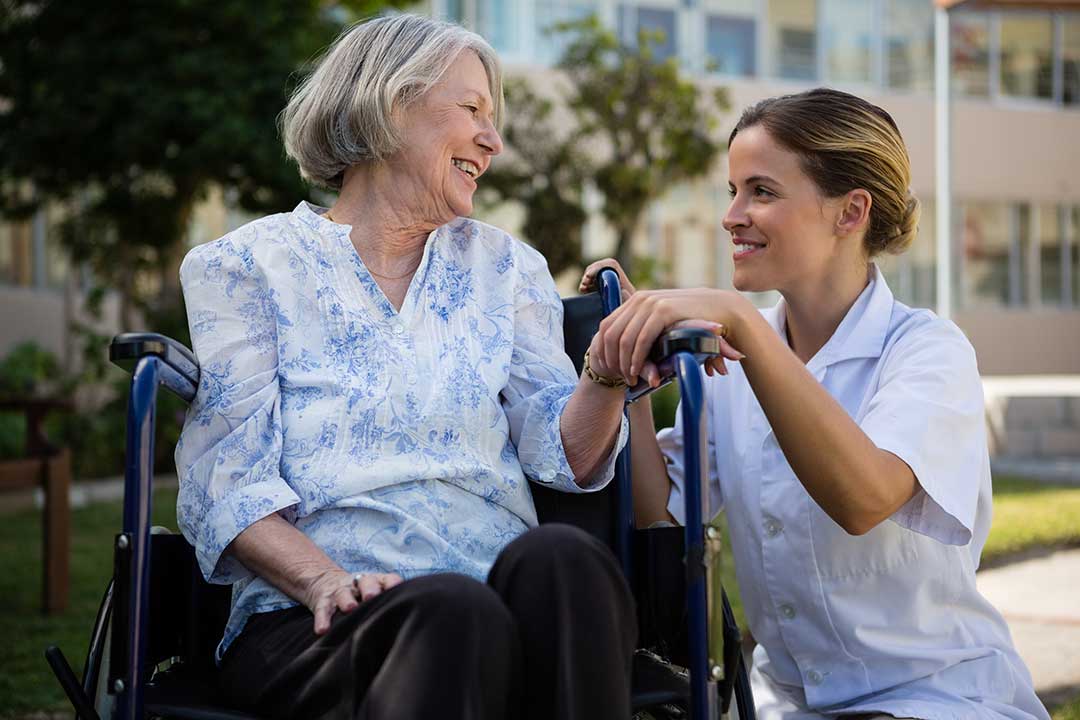
Dormont offers a unique environment for seniors. It’s a walkable, close-knit borough with a welcoming spirit. The local culture values independence and community involvement. Assisted living facilities here often mirror this lifestyle, providing transportation to local events or shops and even excursions to nearby Pittsburgh attractions. Residents can enjoy the tree-lined streets, seasonal farmers markets, and recreational activities in local parks.
Nursing homes in Dormont and its surrounding areas also benefit from the region’s accessibility. Family members can visit frequently, public transit options are available, and medical centers in Pittsburgh are within easy reach. This makes Dormont an attractive place to seek both assisted living and skilled nursing care.
How to Decide: Key Questions to Ask
Here are important questions to consider if you’re comparing assisted living vs. nursing homes for someone in Dormont:
- What level of personal and medical care does your loved one require daily?
- How important is independence in your or your loved one’s lifestyle?
- Would proximity to family, shops, parks, and Pittsburgh’s healthcare system add value to the care experience?
- What is your budget, and what services are included in the monthly fee?
- Are there specialized programs for memory care, rehabilitation, or chronic illness?
Tour several facilities in Dormont and the greater Pittsburgh area. Visit during meal times, ask about local partnerships (with museums, parks, or churches), and talk with both staff and current residents to get a feel for the community’s atmosphere.
The Role of Family and Community in Care Decisions
The borough of Dormont offers more than just elder care facilities—its sense of belonging and community pride is integral to a senior’s quality of life. When evaluating options, consider how each residence enables ongoing community engagement. Some assisted living communities offer transportation for seniors to remain active in church groups or local clubs, participate in annual festivals, or simply enjoy a morning coffee at a favorite local café.
The active involvement of family is also a cornerstone of quality care in Dormont. Whether through regular visits, shared outings, or participation in facility events, families can play an essential role regardless of whether their loved one resides in an assisted living facility or a nursing home.
Conclusion: Choosing the Right Fit in Dormont
Both assisted living and nursing homes provide valuable services—the right choice depends on medical needs, personal preferences, and family dynamics. In Dormont, finding the best fit often includes weighing the benefits of a supportive community and considering everything this Pittsburgh suburb has to offer. Take time to assess your options, ensure you’ve toured multiple facilities, and prioritize the factors that matter most to your family.
For residents of Dormont, the goal is to ensure seniors can age with dignity while enjoying the advantages of both local amenities and high-quality care.
