
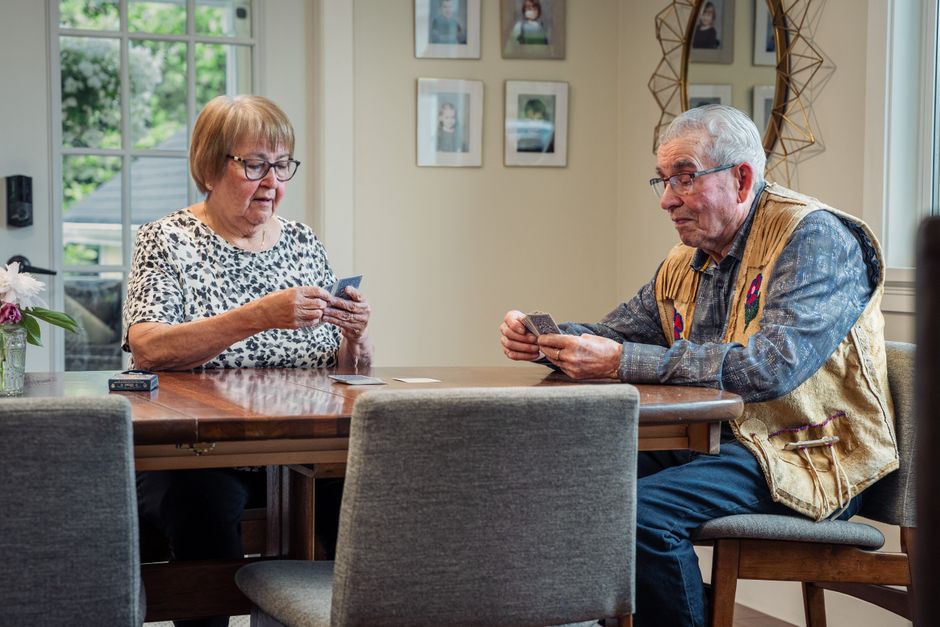
What role does assisted living play in social connection?
Assisted living can make everyday social contact more consistent, accessible, and meaningful for older adults. Shared meals, scheduled activities, common spaces, and support with daily routines create regular opportunities to interact without requiring a person to arrange every visit or leave home independently.
Social connection is more than having people nearby. It includes feeling known, included, useful, and comfortable participating in daily life. For someone who has been living alone, recovering from an illness, or finding it harder to manage transportation and household tasks, assisted living may provide a setting where relationships can develop naturally.
In Pennsylvania, assisted living residences and personal care homes generally provide housing, meals, supervision, and assistance with personal care for people who do not need continuous nursing-facility care. Social and recreational activities are also part of the services commonly offered.
How do shared routines reduce loneliness?
Regular routines give residents dependable points of contact throughout the day. A person may see familiar faces at breakfast, attend an exercise group, join an afternoon activity, and speak with neighbors in a lounge or outdoor area.
These repeated interactions matter because friendships often develop through familiarity rather than one-time events. Seeing the same people regularly can make conversation easier, especially for someone who feels shy, has hearing difficulty, or is adjusting after a major life change.
Shared routines may include:
- Dining at common tables
- Morning coffee or conversation groups
- Card games, puzzles, crafts, or music
- Gentle exercise and stretching
- Religious, cultural, or seasonal gatherings
- Gardening, outdoor activities, or time in a courtyard
- Movie discussions, book groups, or resident meetings
Participation should remain voluntary. A socially healthy setting offers invitations and choices without treating a quiet personality as a problem.
Can assisted living help someone who is socially isolated?
It can, although the results depend on the person, the environment, and the quality of support. Assisted living does not automatically eliminate loneliness. A resident may still miss a spouse, feel uncertain around new people, or prefer one-on-one conversation over large group activities.
The benefit often comes from reducing practical barriers. A person may no longer need to cook a full meal before having company, drive in difficult weather, manage stairs to leave the home, or coordinate every social visit. Staff members can also notice when a resident is spending more time alone and offer appropriate encouragement.
Social isolation may be more likely after:
- The death of a spouse or close friend
- A move away from a longtime home
- Hearing, vision, or mobility changes
- Memory loss or reduced confidence
- A fall or illness
- Retirement from a socially active job
- Difficulty driving, especially during winter conditions
A move to assisted living should therefore be viewed as a transition that needs personal attention, not simply a change in housing.
What kinds of relationships develop in assisted living?
Residents may form several types of connections, and each can support well-being in a different way. Some relationships become close friendships. Others remain friendly daily contacts, such as a neighbor who shares a table or someone who joins the same exercise class.
Connections may also develop between residents and staff. Familiar caregivers can learn a person’s preferences, stories, humor, and communication style. This sense of being recognized can be especially valuable for people who have recently experienced changes in independence.
Family relationships can benefit as well. When basic meals, housekeeping, and personal care are supported, visits may focus less on chores and more on conversation, shared hobbies, or celebrations. Family members may feel more comfortable visiting when there are welcoming common areas and activities they can enjoy together.
How does assisted living support residents who are less outgoing?
A resident does not need to enjoy large groups to benefit from a socially active community. Good social programming includes different levels of participation, from quiet activities to lively gatherings.
For example, a resident may prefer:
- Sitting near others during a meal without joining a large conversation
- Doing a puzzle with one other person
- Listening to live music rather than dancing
- Attending a small discussion instead of a crowded event
- Helping fold napkins, water plants, or prepare materials
- Visiting with a family member in a quieter room
Small responsibilities can create a sense of purpose. Being asked for an opinion, included in a decision, or invited to share a skill can help a resident feel like a contributing member of the community rather than a passive recipient of care.
Why does the local setting matter in Dormont?
Dormont has a compact, walkable character, established residential streets, parks, sidewalks, and access to public transportation. Those features can help maintain a sense of connection to familiar surroundings, but mobility needs vary considerably among older adults.
For residents who can safely go outdoors, nearby sidewalks, parks, and community spaces may provide opportunities to remain connected to the broader community. For others, uneven pavement, winter ice, summer heat, hills, or reduced endurance may make outdoor trips difficult. Assisted living can help bridge that gap by bringing social opportunities indoors and by supporting safe participation when leaving the residence is practical.
Seasonal planning is especially useful. During colder months, shorter daylight and icy walking surfaces can lead to more time indoors. During hot or humid weather, residents may need shaded seating, hydration, and activity schedules that avoid the hottest part of the day. Indoor social options help prevent weather from turning temporary mobility limits into prolonged isolation.
What should families look for when evaluating social opportunities?
Families should ask specific questions rather than relying on a general statement that activities are available. The daily experience can vary widely between residences.
Useful questions include:
- How many activities are offered on a typical weekday and weekend?
- Are activities adapted for residents with hearing, vision, or memory changes?
- Are there quiet and small-group options?
- Can residents suggest activities or help lead them?
- Are meals served in a shared dining area?
- How are new residents introduced to others?
- What happens if someone stops attending activities?
- Are family members welcome at gatherings?
- Is outdoor space accessible and usable in different seasons?
- How are transportation and community outings handled?
It is also helpful to observe the atmosphere. Do residents greet one another? Are people encouraged to make choices? Do staff members know residents by name? Are activities actually taking place, or are they mostly listed on a calendar?
Can assisted living preserve independence while increasing connection?
Yes. Assistance with bathing, dressing, medication reminders, meals, or housekeeping can conserve energy for social participation. A resident who is less exhausted by daily chores may have more ability to visit, join an activity, or maintain a hobby.
Independence does not mean doing every task without help. It can mean making choices, maintaining personal routines, deciding how to spend time, and staying involved in relationships. The most supportive approach balances safety with autonomy and offers help without taking over unnecessarily.
For older adults and families in Dormont, the central question is not simply whether assisted living offers activities. It is whether the setting creates genuine opportunities for belonging, respects individual preferences, and makes connection possible during ordinary daily life.
